Honeywell Security Alarm Manual: A Comprehensive Guide
This manual details Honeywell systems, offering instructions for troubleshooting, programming, and maintenance. It covers power issues, communicator errors, and remote access options.
Understanding Your Honeywell Alarm System
Honeywell alarm systems are designed to provide comprehensive security for residential and commercial properties. This system utilizes a central control panel, keypads for user interaction, and a variety of sensors to detect potential threats. These sensors include door and window contacts, motion detectors, and potentially glass break detectors, all working in concert to safeguard your premises.
The system operates by arming itself, creating a protective perimeter. When armed, any breach of this perimeter – such as an opened door or detected motion – triggers an alarm. The control panel then initiates a pre-programmed response, which may include sounding a local siren, notifying a monitoring center via cellular or landline communication, and potentially alerting you remotely through a smartphone app. Understanding these core functions is crucial for effective system operation and maximizing its protective capabilities. Regular checks and familiarity with the system’s features are highly recommended.
System Components Overview
A Honeywell security system comprises several key components working together. The central control panel, often a VISTA-20P model, serves as the system’s brain, processing signals and managing all functions. Keypads allow for arming, disarming, and programming the system, providing a user interface. Wireless or wired door and window contacts detect unauthorized entry points.
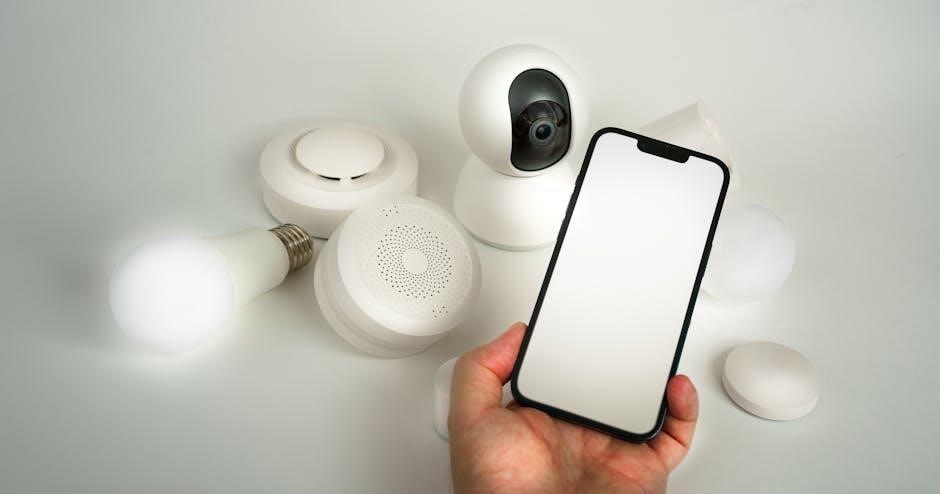
Motion detectors cover interior spaces, identifying movement within a designated area. A siren alerts occupants and deters intruders. The power supply ensures continuous operation, with a backup battery providing power during outages. A communicator module, utilizing cellular or landline connections, transmits alarm signals to a monitoring center. Finally, the system may include a remote control or smartphone app for convenient operation. Understanding each component’s role is vital for effective system maintenance and troubleshooting.
Keypad Functions and Navigation
The Honeywell keypad is your primary interface for controlling the security system. Common functions include arming the system in ‘Stay’ (perimeter protection) or ‘Away’ (full protection) modes, and disarming it upon entry. Use the numeric keys to enter your user code, followed by the arming/disarming command. The ‘Status’ button displays the current system status, including open zones or trouble conditions.
The ‘Panic’ button immediately alerts the monitoring center in emergencies. Navigation often involves scrolling through menus using arrow keys, and confirming selections with the ‘Enter’ or ‘#’ key. The ‘*’ key typically cancels operations. Refer to your specific model’s documentation for detailed instructions. Remember to acknowledge any trouble signals displayed on the keypad promptly to ensure system functionality. Proper keypad operation is crucial for daily use and effective security.

Troubleshooting Common Issues
This section addresses frequent Honeywell system problems, like arming failures, false alarms, and communicator errors (code 6F), offering step-by-step troubleshooting guidance.
Alarm System Not Arming
If your Honeywell alarm system refuses to arm, several factors could be at play. First, ensure all doors and windows are securely closed, as open zones will prevent arming. The keypad will typically display a “zone open” message indicating the problem area.
Next, check for any recent trouble conditions, such as a low battery or a communicator error, as these can sometimes inhibit the arming process. Acknowledge and resolve any existing trouble codes before attempting to arm the system again.
Verify that the system isn’t already armed in “stay” mode, which might be preventing a full arming sequence. Also, confirm that no user has inadvertently placed a temporary hold on a zone, overriding its normal security function. If the issue persists, consult the system’s programming to ensure zones are correctly configured and functioning as intended.
False Alarm Prevention and Resolution
Preventing false alarms with your Honeywell system is crucial for reliable security and avoiding unnecessary dispatches. Ensure all entry points are properly secured and that pets cannot trigger motion detectors. Regularly test your system to confirm sensors are functioning correctly and haven’t been inadvertently disturbed.
If a false alarm occurs, immediately cancel it via the keypad using your valid user code. Familiarize yourself with the cancellation procedure beforehand to react quickly. Review recent alarm events to identify potential causes, such as loose windows or faulty sensors.
Consider adjusting sensor sensitivity if environmental factors consistently trigger false alarms. Properly train all users on system operation and emphasize the importance of entering correct codes. If false alarms persist, contact your security provider for professional assistance and potential system recalibration.
Communicator Error (Code 6F) Troubleshooting
A Code 6F on your Honeywell system indicates a communication failure between the control panel and the monitoring center. This often stems from issues with the cellular communicator or a temporary interruption in service. Begin by verifying the system’s antenna is securely connected and has a clear signal path.
Troubleshooting steps include power-cycling the control panel – disconnect power for 30 seconds, then reconnect. Check the phone line (if applicable) for proper connection and dial tone. Ensure your account with the monitoring center is active and in good standing.
If the error persists, attempt a communicator self-test through the system menu. If the test fails, contact your monitoring provider for assistance. A technician may need to remotely diagnose or dispatch to replace the communicator module. Regularly testing your system can help proactively identify and resolve communication issues.
Power Supply and Battery Issues
Addressing power concerns involves checking the supply’s temperature and outlet. Battery health is crucial; troubleshooting includes testing and timely replacement for reliable backup.
Checking Power Supply Functionality
Ensuring your Honeywell alarm system’s power supply operates correctly is paramount for consistent security. Begin by locating the outlet where the power supply is plugged in and verify it’s functioning with another device. Carefully check the power supply’s temperature; a warm-to-the-touch feel is normal, but excessive heat indicates a potential issue requiring immediate attention.
Visually inspect the power supply for any signs of physical damage, such as cracks or bulging. Confirm the correct voltage output using a multimeter, if you are comfortable and qualified to do so. A stable and appropriate voltage is essential. If the power supply appears faulty or is not delivering the correct voltage, it should be replaced by a qualified technician to avoid compromising the entire alarm system’s functionality. Regular checks contribute to a reliable security setup.
Low Battery Troubleshooting and Replacement
A “Low Battery” trouble signal on your Honeywell alarm keypad indicates the backup battery needs attention. First, acknowledge the trouble code on the keypad to temporarily silence the alert, but remember this doesn’t resolve the underlying issue. The backup battery ensures the system remains operational during power outages, so prompt replacement is crucial.
To replace the battery, carefully open the alarm panel and locate the battery compartment. Disconnect the old battery and connect the new one, ensuring correct polarity. Use only a compatible battery type recommended by Honeywell to avoid damaging the system. After replacement, the system may require a brief reset or power cycle to recognize the new battery. Regularly testing the system after a battery change confirms proper functionality and continued security.
Understanding Backup Battery Performance
The backup battery in your Honeywell security system is vital for maintaining protection during power failures. These batteries, typically sealed lead-acid, provide temporary power to the control panel and, depending on the system, potentially to the siren. Battery lifespan varies, generally ranging from 3 to 5 years, influenced by factors like climate and power outage frequency.
Regular power outages and extreme temperatures can shorten battery life. A fully charged battery should power the system for several hours, allowing continued monitoring and alarm functionality. It’s crucial to understand that the battery’s capacity diminishes over time, even without frequent use. Periodic testing, as outlined in the system’s manual, helps assess battery health and ensures reliable performance when needed most. Proactive replacement is key to uninterrupted security.

Programming and Customization
Customize your Honeywell system with zone programming, delay time adjustments, and secure user code management for tailored security and convenient control.
Zone Programming Basics
Zone programming defines how each sensor interacts with the Honeywell system. Each entry/exit point, motion detector, or other security device is assigned a specific zone number. Understanding these zones is crucial for accurate alarm monitoring and efficient troubleshooting;
During programming, you’ll define each zone’s type – instant, delay, or no-entry. ‘Instant’ zones trigger an alarm immediately upon activation, ideal for areas like glass-break sensors. ‘Delay’ zones provide a grace period for entry or exit, commonly used for doors. ‘No-entry’ zones signal a problem if activated, like an open window when the system is armed.
Proper zone configuration minimizes false alarms and ensures the system responds appropriately to genuine threats. Incorrectly programmed zones can lead to unnecessary dispatches or, conversely, a failure to detect an intrusion. Refer to your system’s specific manual for detailed instructions on accessing and modifying zone settings.
Delay Time Adjustment
Delay time adjustment is a critical aspect of Honeywell system customization, impacting entry and exit procedures. Entry delays allow users time to disarm the system upon entering a protected zone, preventing immediate alarms. Exit delays provide a window to leave the premises without triggering a false alarm.
Adjusting these times requires accessing the system’s programming mode, typically through the keypad using a master code. The appropriate delay duration depends on the size of the property and the time needed to navigate entry/exit points. Shorter delays increase security but risk false alarms; longer delays offer convenience but reduce response time.
Carefully consider the needs of all users when setting delay times. Incorrectly configured delays can cause frustration or compromise security. Consult your system’s manual for specific instructions and recommended settings. Regularly review and adjust these times as needed to maintain optimal system performance and minimize potential troubleshooting.
User Code Management
User code management is fundamental to Honeywell alarm system security, controlling access and accountability. Each authorized user should have a unique code for arming, disarming, and interacting with the system. A master code, known only to the primary user, grants full programming and administrative access.

Adding new users involves entering their desired code into the system’s programming mode via the keypad. It’s crucial to choose codes that are not easily guessable – avoid birthdays or sequential numbers. Regularly review and update user codes, especially when personnel changes occur, to maintain security.
The system often allows assigning different access levels to users, restricting certain functions. Deleting unused codes prevents unauthorized access. Proper user code management minimizes the risk of false alarms and ensures only authorized individuals can control the system. Refer to your system’s manual for detailed instructions and best practices.

Advanced System Features
Honeywell systems offer Alarmnet cellular communication, remote access, and detailed system logs for enhanced security and control. Preventative checks are vital.
Alarmnet Cellular Communication Path Failure
A cellular communication path failure, often indicated by trouble codes, signifies your Honeywell system cannot connect to the monitoring center via the cellular network. This doesn’t necessarily mean your system is unprotected, as it may still utilize landline or internet connectivity, if configured. First, verify your account is active with Alarmnet.

Check the signal strength indicator on your panel; weak signals can cause failures. Ensure the antenna is securely connected and positioned away from obstructions. Power cycle the panel – turn it off for 30 seconds, then back on. If the issue persists, contact your service provider to confirm network outages or account issues.
Sometimes, a simple reset of the communication module can resolve the problem. Refer to your specific panel’s manual for reset procedures. If these steps fail, professional assistance from a qualified Honeywell technician is recommended to diagnose and repair potential hardware malfunctions or configuration errors.
Remote Access and Control Options
Honeywell offers several ways to remotely manage your security system, enhancing convenience and control. Alarmnet provides a robust platform accessible via smartphone apps (iOS and Android) and web browsers. These interfaces allow you to arm or disarm your system, view system status, and receive real-time notifications of alarms or trouble conditions.

Remote control extends to zone bypass, allowing temporary deactivation of specific sensors. You can also review event logs to track system activity. Some systems support smart home integration, enabling control of lights, thermostats, and door locks alongside security functions.

Ensure your system is properly registered with Alarmnet and that you have a secure user account. Familiarize yourself with the app’s features and settings for optimal performance. Regularly update the app to benefit from the latest security enhancements and functionality improvements. Consider exploring compatible smart home devices for a fully integrated experience.

System Maintenance and Preventative Checks
Regular maintenance is crucial for ensuring the reliability of your Honeywell security system. Perform monthly tests of each zone – open and close doors/windows to verify sensor communication with the panel. Check the siren’s functionality by initiating a test alarm. Inspect all wiring for damage or loose connections, particularly at the control panel and sensors.
Annually, replace the backup battery to guarantee uninterrupted operation during power outages. Clean the keypad and sensor surfaces with a soft, dry cloth. Review your user codes and update them periodically for enhanced security. The BG-64 hardware requires periodic preventative checks as outlined in its documentation.
Document all maintenance activities and any observed issues. Proactive checks can prevent false alarms and ensure your system remains a dependable safeguard for your property. Consider professional inspection every few years for a comprehensive assessment.