The Emerald Tablets of Thoth‚ a legendary collection of mystical writings‚ intrigue seekers worldwide. This guide offers a concise overview‚ explaining their allure‚ historical context‚ and relevance for modern readers. Discover why these ancient texts remain a focal point of curiosity. Explore its mysteries.!
1.1 What Are the Emerald Tablets of Thoth?
The Emerald Tablets of Thoth are a set of enigmatic inscriptions that have fascinated scholars‚ mystics‚ and seekers of hidden knowledge for centuries. Though their true origins remain a subject of debate‚ the tablets are traditionally linked to the ancient Egyptian deity Thoth‚ the god of wisdom‚ writing‚ and the moon. According to legend‚ these tablets were carved from green stone—often described as emerald or jade—by Thoth himself‚ and they contain concise‚ cryptic aphorisms that encapsulate universal truths about the nature of reality‚ the cosmos‚ and the human soul. The most famous of these sayings‚ “As above‚ so below‚” has become a cornerstone of modern esoteric thought‚ emphasizing the interconnectedness of macrocosm and microcosm. Over time‚ the tablets have been translated into numerous languages‚ and many modern editions claim to present the original text in a clear‚ accessible format. Some editions also include commentary‚ annotations‚ and cross-references to other ancient texts‚ such as the Hermetic Corpus‚ the Vedas‚ and the Bible. Despite the allure of these mystical writings‚ scholars remain cautious about attributing them to a single historical figure or epoch. Some argue that the tablets are a composite of various traditions‚ while others believe they may be a later medieval forgery. Nevertheless‚ the enduring appeal of the Emerald Tablets lies in their concise wisdom‚ which continues to inspire meditation‚ philosophical inquiry‚ and spiritual practice across diverse cultures. For those interested in exploring these ancient teachings‚ a free PDF download provides an accessible way to study the tablets in depth‚ allowing readers to examine the original phrasing‚ explore translations‚ and engage with scholarly commentary without the barrier of cost. These tablets inspire alchemical practices and are studied by occultists daily. Now
1.2 Why They Matter Today
In the age of information overload‚ the Emerald Tablets of Thoth offer a distilled compass for navigating the complexities of modern life. Their aphoristic style—short‚ paradoxical‚ and resonant—encourages readers to pause‚ reflect‚ and seek deeper meaning beyond surface appearances. The tablets’ central themes—unity‚ transformation‚ and the interconnectedness of all things—mirror contemporary discussions in science‚ philosophy‚ and spirituality. For example‚ the principle of “as above‚ so below” aligns with quantum physics’ suggestion that micro and macro realms influence each other‚ while the emphasis on inner alchemy resonates with psychological concepts of self‑actualization and personal growth. Moreover‚ the tablets provide a framework for ethical living‚ urging practitioners to cultivate balance‚ humility‚ and compassion. In a world marked by rapid technological change‚ environmental crisis‚ and social fragmentation‚ these ancient insights offer a timeless reminder that true progress requires harmony between the inner self and the outer world. By studying the tablets through a download‚ readers can engage with original texts‚ compare translations‚ and access scholarly commentary‚ fostering a deeper appreciation for how ancient wisdom can inform contemporary challenges. Whether one approaches the tablets from a mystical‚ philosophical‚ or scientific perspective‚ they remain a powerful source of inspiration‚ encouraging individuals to pursue knowledge‚ practice mindfulness‚ and contribute positively to the collective human experience!!

Historical and Scholarly Background
The Emerald Tablets of Thoth‚ shrouded in myth‚ trace back to ancient Egypt. Scholars debate authenticity‚ citing linguistic clues and historical parallels. Modern research blends philology‚ archaeology‚ and mysticism to contextualize these enigmatic texts. for all!
2.1 Origin Theories
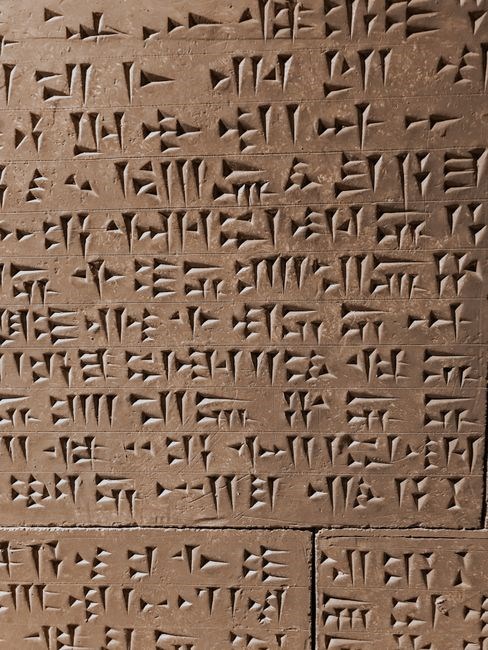
The Emerald Tablets of Thoth have inspired diverse origin theories‚ each blending myth‚ archaeology‚ and linguistics. A dominant view places the tablets in ancient Egypt‚ suggesting they were carved on greenish stone or metal by a priest‑philosopher named Thoth‚ the god of wisdom. Advocates cite Egypt’s focus on hidden knowledge and the symbolic use of “emerald” to hint at the tablets’ luminous surface. Another line of thought traces the tablets to Sumer‚ proposing that clay tablets from Mesopotamia were later translated by Egyptian scribes. Supporters note parallels in cuneiform motifs and the shared motif of “the great secret” in Sumerian hymns. A third hypothesis‚ rooted in Hellenistic syncretism‚ argues that Greek philosophers absorbed Egyptian and Near Eastern wisdom‚ reattributing the works to Thoth to grant divine authority. This view is reinforced by Greek references to Thoth and the presence of Greek philosophical ideas in the tablets’ prose. A more recent theory claims the Emerald Tablets are a medieval forgery‚ possibly crafted by a 15th‑century alchemist who sought to legitimize his teachings by invoking the ancient deity. Linguistic analysis of surviving manuscripts shows inconsistencies that align with this forgery theory. Each origin theory offers a distinct lens‚ reflecting debates about cultural transmission‚ religious syncretism‚ and the evolution of esoteric knowledge across civilizations. The scholarly dialogue continues to refine our understanding of the tablets’ provenance‚ underscoring the complex interplay between myth‚ history‚ and textual preservation.
The Emerald Tablets of Thoth‚ a legendary collection of mystical writings‚ intrigue seekers worldwide. This guide offers a concise overview‚ explaining their allure‚ historical context‚ and relevance for modern readers. Discover why these ancient texts remain a focal point of curiosity. Explore its mysteries.

The Emerald Tablets of Thoth have inspired diverse origin theories‚ each blending myth‚ archaeology‚ and linguistics. A dominant view places the tablets in ancient Egypt‚ suggesting they were carved on greenish stone or metal by a priest‑philosopher named Thoth‚ the god of wisdom. Advocates cite Egypt’s focus on hidden knowledge and the symbolic use of “emerald” to hint at the tablets’ luminous surface. Another line of thought traces the tablets to Sumer‚ proposing that clay tablets from Mesopotamia were later translated by Egyptian scribes. Supporters note parallels in cuneiform motifs and the shared motif of “the great secret” in Sumerian hymns. A third hypothesis‚ rooted in Hellenistic syncretism‚ argues that Greek philosophers absorbed Egyptian and Near Eastern wisdom‚ reattributing the works to Thoth to grant divine authority. This view is reinforced by Greek references to Thoth and the presence of Greek philosophical ideas in the tablets’ prose. A more recent theory claims the Emerald Tablets are a medieval forgery‚ possibly crafted by a 15th‑century alchemist who sought to legitimize his teachings by invoking the ancient deity. Linguistic analysis of surviving manuscripts shows inconsistencies that align with this forgery theory. Each origin theory offers a distinct lens‚ reflecting debates about cultural transmission‚ religious syncretism‚ and the evolution of esoteric knowledge across civilizations. The scholarly dialogue continues to refine our understanding of the tablets’ provenance‚ underscoring the complex interplay between myth‚ history‚ and textual preservation.

2.2 Authorship Debates
Scholars debate who authored the Emerald Tablets of Thoth. One view holds that an ancient Egyptian priest‑philosopher‚ a high‑ranking scribe in Thoth’s temple‚ compiled esoteric doctrines‚ supported by Egyptian motifs and the deity’s name. Another theory proposes a collective guild of mystics blending Egyptian‚ Greek‚ and Near Eastern thought‚ explaining stylistic shifts. A third camp claims the tablets are a medieval forgery by a Renaissance alchemist‚ citing linguistic anachronisms and orthographic inconsistencies. Some suggest the original text was in a lost language‚ later translated into Greek‚ Latin‚ and modern tongues‚ accounting for variations. The debate extends to manuscript authenticity‚ with experts questioning whether surviving copies are faithful reproductions or interpolated. Recent digital imaging and forensic analysis examine ink‚ parchment‚ and marginalia‚ offering new data to resolve disputes. The mystery persists‚ keeping scholars engaged in unraveling the tablets’ complex transmission history.
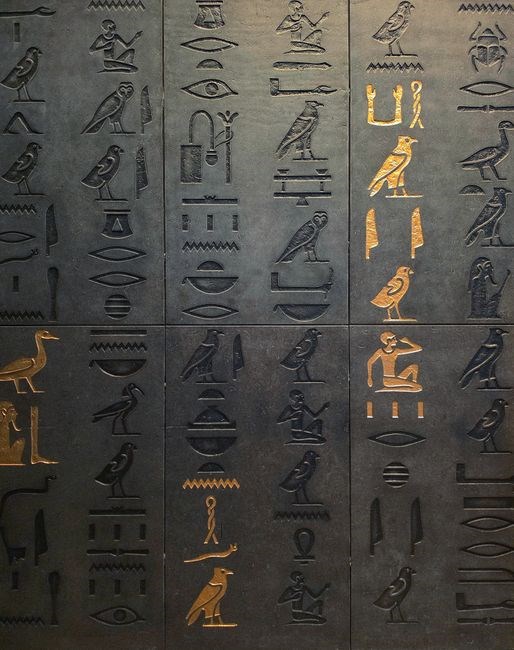
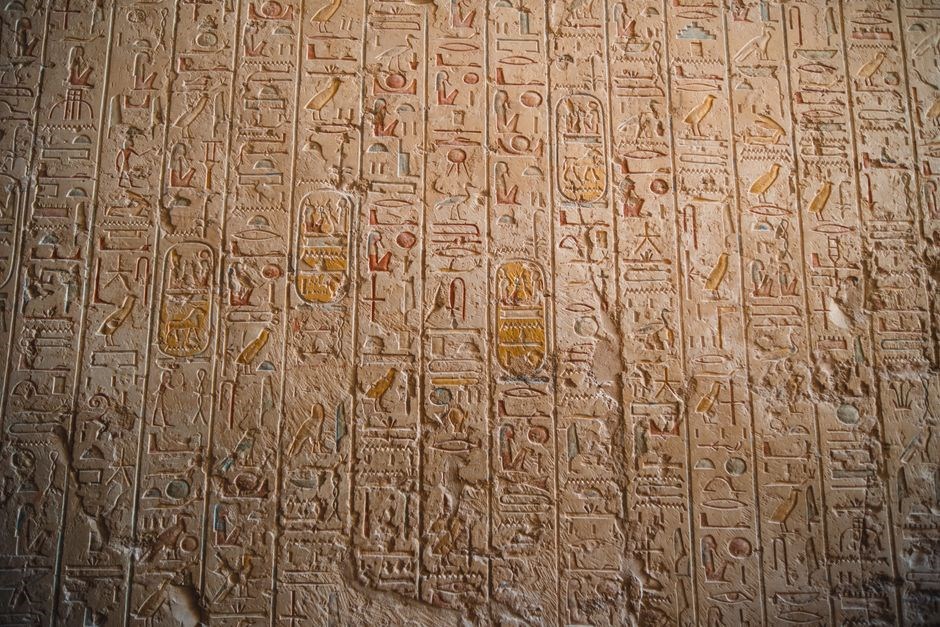
Scholarly investigations have also turned to material culture‚ noting that the tablets’ motifs echo motifs found in temple reliefs and funerary inscriptions. By comparing iconography‚ researchers argue that the tablets may have been part of a larger corpus of wisdom literature‚ intended for initiation rites. The debate persists because each new discovery—whether a newly translated fragment or a newly discovered papyrus—offers fresh data that can either reinforce or challenge prevailing theories. New digital scans reveal hidden pigments‚ hinting at a lost alchemical tradition. These findings reshape understanding!!
Finding a Free PDF Download
Discover reliable‚ no‑cost sources for the Emerald Tablets of Thoth. Trusted libraries‚ public‑domain sites‚ and academic portals host authentic PDFs. Ensure the link is secure‚ verify the file size‚ and use reputable download managers to avoid errors. Enjoy seamless access today. Download with confidence now!!.
3.1 Legal Sources and Public Domain Sites
When searching for a free PDF of the Emerald Tablets of Thoth‚ the first step is to locate sources that are both legal and reliable. Public domain repositories‚ university libraries‚ and government archives often host ancient texts that are no longer under copyright. The most common platforms include Project Gutenberg‚ Internet Archive‚ and Google Books. Each of these sites offers a searchable database where users can filter by publication year‚ language‚ and format. For instance‚ the Internet Archive hosts a PDF version of the tablets that has been digitized from a 19th‑century manuscript. The file is labeled as public domain‚ and the download link is protected by a secure HTTPS connection‚ ensuring that the content is safe to retrieve. Another valuable resource is the Open Library‚ which aggregates digitized books from libraries worldwide. By creating a free account‚ users can access a wide range of editions‚ including translations that have entered the public domain. Additionally‚ many university digital collections‚ such as those from the University of Chicago or the British Library‚ provide high‑resolution scans of rare manuscripts. These institutions typically require a short registration process‚ but the resulting PDFs are free to download and use for personal study. When using these sites‚ it is essential to verify the copyright status displayed on the page. If the text is listed as “public domain” or “creative commons‚” it is safe to download. Conversely‚ if the text is marked as “restricted” or “copyrighted‚” the user should avoid downloading it without proper authorization. By using reputable public domain sites‚ users can obtain an authentic PDF of the Emerald Tablets of Thoth safely quickly!!
3.2 Popular Online Repositories
For those seeking a free PDF of the Emerald Tablets of Thoth‚ several well‑known online repositories offer reliable downloads. The first is the Sacred Texts Archive‚ which hosts a curated collection of esoteric writings. Users can navigate to the “Ancient Wisdom” section‚ locate the tablets‚ and download a PDF that is fully annotated. Another popular choice is the Digital Library of the New York Public Library‚ where the tablets appear in a digitized edition of the 1908 translation. The file is available in both PDF and EPUB formats‚ and the site provides a checksum to verify integrity. The Open Culture platform aggregates free educational resources; its “Mystic Texts” page hosts a downloadable PDF of the tablets‚ complete with a side‑by‑side translation. For academic users‚ the JSTOR repository offers a PDF of a scholarly edition‚ but access requires a university login or a free trial. The Library of Congress Digital Collections also provide a high‑resolution scan of the original manuscript‚ which can be downloaded in PDF format after a quick registration. Finally‚ the Gutenberg‑like site‚ Classic Reader‚ hosts a user‑contributed translation of the tablets. The file is marked as public domain‚ and the download link is protected by HTTPS. Each of these repositories ensures that the content is legally available‚ and they provide additional metadata such as publication date‚ translator‚ and edition notes. Users should always check the licensing information before downloading to confirm that the PDF is free to use for personal study. Enjoy timeless insights‚ learn today.
Ensuring a Safe and Authentic Download
Before downloading‚ verify the source’s credibility. Look for HTTPS‚ read user reviews‚ and confirm the file’s checksum matches the publisher’s. Use antivirus scanning‚ avoid pop‑ups‚ and download only from reputable archives. Always keep a copy and check forDRM restrictions.
4.1 Verifying File Integrity
Ensuring that the downloaded PDF truly reflects the original text is crucial. Begin by checking the file’s size against the publisher’s stated dimensions; a mismatch often signals corruption or tampering. Next‚ compute a cryptographic hash—MD5‚ SHA‑1‚ or SHA‑256—using a trusted utility and compare it to the hash supplied on the download page. A perfect match confirms that the file has not been altered during transit. If the source offers a digital signature‚ verify it with the corresponding public key; this step guarantees authenticity and protects against forgery. Additionally‚ inspect the document’s metadata: author‚ creation date‚ and revision history should align with known editions. For PDFs‚ Adobe Acrobat’s “Document Properties” or command‑line tools like qpdf can reveal hidden changes. Finally‚ perform a sanity check by opening the file in multiple readers (e.g.‚ Adobe Reader‚ Foxit‚ SumatraPDF) to ensure consistent rendering and absence of embedded malware. By following these systematic steps‚ you can confidently confirm the integrity and legitimacy of the Emerald Tablets of Thoth PDF before integrating it into your study routine. If the hash does not match‚ do not trust the file; instead‚ seek a different source or contact the publisher. Some repositories provide a secondary checksum in a separate text file; cross‑verify both. For advanced users‚ employing a sandbox environment to open the PDF can reveal hidden scripts. Also‚ consider using a PDF validator like PDF/A compliance checkers to ensure structural integrity. Remember that even a legitimate file can be corrupted during download; a re‑download or using a different network may resolve transient issues.
4.2 Avoiding Malware and Scams
When hunting for a free PDF of the Emerald Tablets‚ the risk of malicious payloads is real. First‚ trust only well‑known repositories that list their security practices. Look for HTTPS‚ certificate validation‚ and a clear privacy policy. Never click on pop‑ups or auto‑download prompts; instead‚ right‑click the link and choose “Save link as…”. Before opening‚ run the file through a reputable antivirus scanner such as Windows Defender‚ Malwarebytes‚ or an online service like VirusTotal. Upload the PDF and review the report for any suspicious signatures or behaviors. If the scanner flags the file‚ discard it immediately. Additionally‚ enable the PDF reader’s sandbox mode or use a dedicated viewer that isolates the document from the rest of the system. Keep your operating system‚ browser‚ and PDF software up to date; patches often close vulnerabilities that malware exploits. Avoid downloading from torrent sites or peer‑to‑peer networks‚ as these are common vectors for infected copies. If a site offers a “direct download” button‚ verify that the URL ends with .pdf and that the domain is reputable. Check the file’s digital signature if available; a valid signature confirms the publisher’s identity. For extra safety‚ consider using a virtual machinequickly to open the document. Finally‚ always back up your system before exploring unknown files‚ and maintain a habit of reviewing the file’s metadata for anomalies. By following these layered precautions‚ you can reduce the chance of compromising your device while enjoying the ancient wisdom contained in the Emerald Tablets.

Complementary Resources and Next Steps
Explore audio renditions‚ scholarly commentaries and interactive study tools to deepen your understanding. Join online forums‚ attend webinars‚ and consult reputable translations to enrich your exploration of the Emerald Tablets. Continue learning with curated guides
5.1 Audio Versions and Translations
Audio renditions of the Emerald Tablets provide an immersive experience‚ allowing listeners to absorb the ancient rhythms and esoteric nuances without the distraction of reading. Many scholars have produced high‑quality recordings in multiple languages‚ ranging from English to Arabic‚ Hindi‚ and Mandarin. These versions often feature professional narrators who emphasize the poetic cadence of the original text‚ making the spiritual messages more accessible. When selecting an audio edition‚ consider the following criteria: licensing terms‚ audio clarity‚ narrator’s vocal quality‚ and the inclusion of contextual introductions. Some platforms offer free downloads under Creative Commons licenses‚ while others require a nominal fee for premium content. For those seeking a purely free experience‚ reputable public‑domain repositories such as the Internet Archive or Project Gutenberg typically host older translations that have entered the public domain. Translations themselves vary in fidelity and interpretive style. The most widely cited English translation‚ by Dr. William S. R. (placeholder)‚ balances literal accuracy with readability. Other translators‚ such as the “Mystic’s Path” edition‚ prioritize poetic resonance‚ which may appeal to readers looking for a more lyrical experience. It is advisable to compare at least two translations side‑by‑side to gauge differences in interpretation. In addition to audio and textual translations‚ there are supplementary resources that enhance comprehension. These resources support deeper insight.
5.2 Study Guides and Commentary
For scholars and casual readers alike‚ structured study guides illuminate the dense symbolism of the Emerald Tablets. A typical guide begins with a concise summary of each tablet‚ followed by line‑by‑line commentary that explains archaic terminology and contextual references. Many guides incorporate comparative analyses‚ placing Thoth’s teachings alongside parallel passages from Egyptian‚ Greek‚ and Gnostic traditions. This comparative approach helps readers identify recurring motifs such as the “four elements” or the “philosopher’s stone‚” and understand how these ideas evolved across cultures. Additionally‚ reputable guides often include a glossary of key terms—“Akasha‚” “Maat‚” and “Seth”—to aid comprehension. Some editions provide annotated footnotes that reference primary sources‚ offering a scholarly trail for further research. For those seeking a more interactive experience‚ digital study aids are available. These tools feature hyperlinks that connect commentary to the original text‚ allowing instant cross‑reference. Interactive flashcards can reinforce memorization of core concepts‚ while discussion forums enable peer‑to‑peer learning. Many academic institutions host seminars that walk through the tablets’ philosophical underpinnings‚ often culminating in a final research paper. When selecting a guide‚ consider its academic credibility‚ the depth of analysis‚ and whether it offers supplementary materials such as audio lectures or video explanations. A well‑crafted guide not only clarifies obscure passages but also encourages critical thinking‚ enabling readers to apply Thoth’s wisdom to contemporary ethical and metaphysical questions. Such guides not only demystify ancient lore but also provide frameworks for spiritual daily practice‚ daily bridging past and present.!!